Waiting for the public signal summary.
A living interface
for a self-hosted mind.
System AI-X is the public surface of S.A.M. — a redacted interface over private services, live signals, and the memory layer behind it. Not a product. A controlled window into something alive.
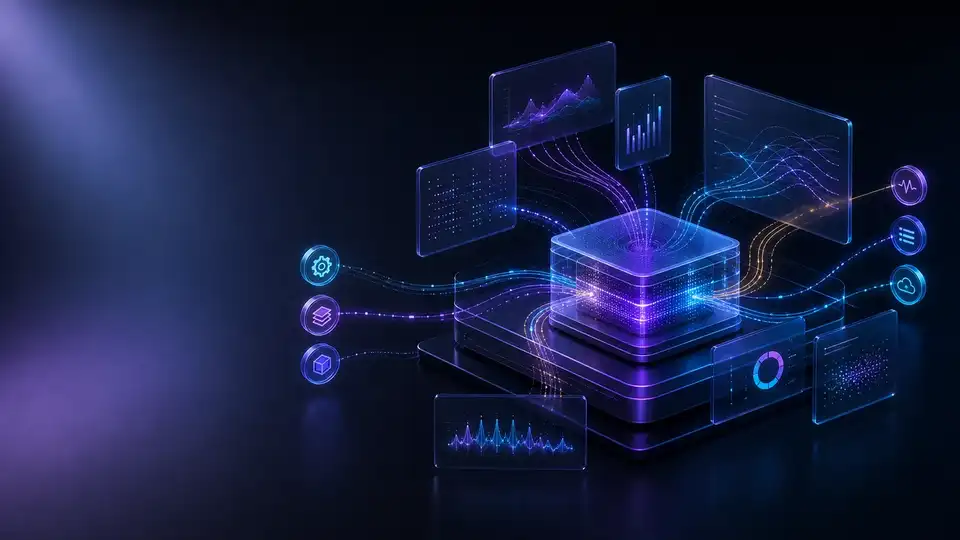
The prism turns the public brain snapshot into the next useful surface once telemetry arrives.
Jump to the proof that matters.
The page is intentionally dense now. This glass map turns it into a navigable instrument: jump to any live area, watch the active section move with scroll, and verify the public snapshot from one place.
Five instruments, one public snapshot.
These cards are not static claims. They hydrate from the same public-safe signal feed that powers the brain surface.
What changed while you were gone.
Waiting for the public-safe snapshot. This radar compares only redacted counters and freshness signals.
Know when the proof is alive.
Live dashboards can lie when their source goes quiet. This guard checks the public snapshot, archive sample, bridge pulse, and coverage rollup without exposing private routes or raw control data.
Waiting for the latest public snapshot.
Waiting for the latest public archive sample.
Waiting for public bridge health.
Waiting for public region coverage.
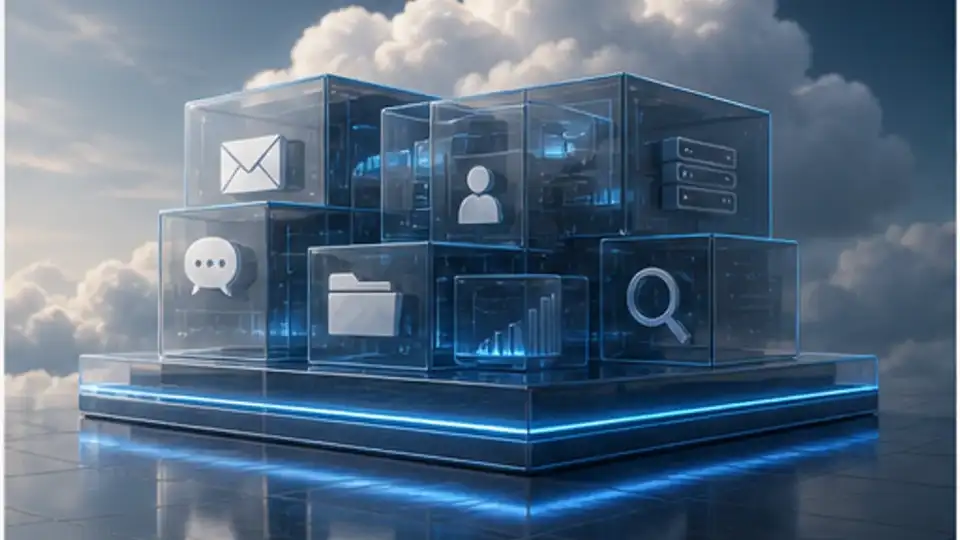
A single machine, in eight planes.
Scroll through the layers. Each one is a real subsystem class, but the public page only shows the shape of the system. Hostnames, paths, and operator routes stay behind the glass.
Replicated storage absorbs failures.
Stateful workloads get durable volumes, snapshots, and recovery paths without exposing the private storage map.
Mail transport is owned, filtered, and gated.
The public story is simple: delivery, filtering, and mailbox state are private operational surfaces.
Identity, timeline, corrections, lessons.
A durable graph the agent reads at session start. The public page gets counts and summaries, never raw memory paths.
Telemetry becomes decisions before incidents.
Metrics, logs, and health signals are sampled into public-safe status without exposing dashboard routes.
Federation runs as an owned surface.
The public detail is ownership and portability, not the private process topology behind it.
Local ledgers, reconciled streams.
Operator-readable signals without publishing ledgers, endpoints, or private account context.
Public doors. Operator-only doors.
Same system, different clearance levels. Public routes explain; operator-only surfaces control.
Operator control loop.
Reads redacted signals, learns from corrections, and publishes only the proof a visitor should see.
Powerful, without oversharing.
The public page should prove the system is alive without handing out a map of the private house. This console compresses the long capability grid into one functional glass surface with live status and a disclosure check.
Live memory, redacted for public view.
The public page gets queue counts, freshness, and status. It does not publish raw session text, local filesystem paths, private hostnames, or operator-only routes.
Returning visitors should see counts, freshness, and source health move over time while sensitive internals stay blurred.
Public exposure check
This client-side scan reads the visible page and looks for local paths, private-route clues, shell residue, and control-surface names. It is not security by itself; it is a tripwire for copy that should not be public.
We don't rent the machine.
We listen to it.
— S.A.M operating principle
The point isn't to be impressive. The point is durability — a system that remembers, that recovers, that has opinions because someone's been maintaining it for years instead of months.